Xylology: identifying and characterizing wood to better understand it
Areas of intervention
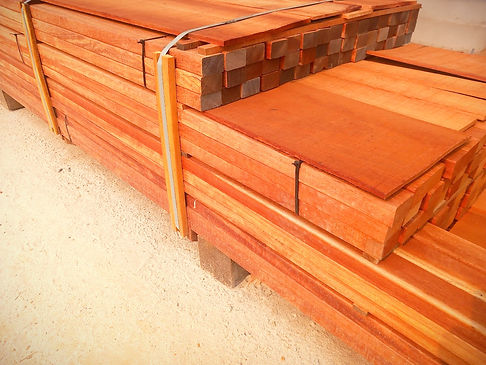
Industrial wood
With global trade flows increasing, it is essential to rigorously verify wood batches in accordance with purchasing specifications. Verifying the identity of the wood species ensures that the materials used meet the required quality standards, both in terms of durability and the safety of your projects. A sample the size of a 1 cm cube will be sufficient for laboratory analysis.
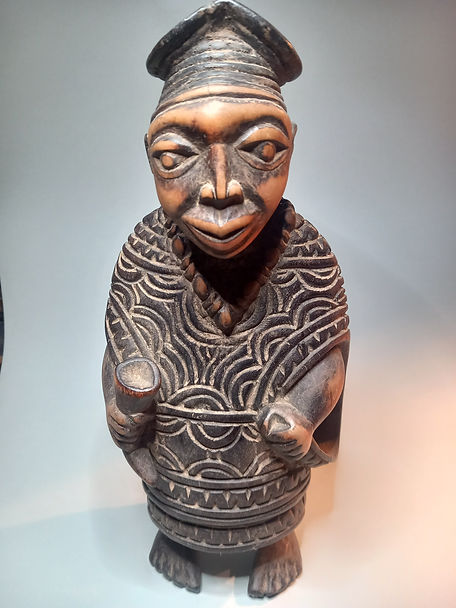
Art market
Authenticating a work of art relies on several essential criteria. Confirming the object's geographical origin is crucial, as some wood species are specific to regions or are integral to ethnological uses. Furthermore, studying the carving orientation in the original wood can reveal unique artistic techniques and traditions. Together, these elements help establish the work's legitimacy and value.
As providing a relevant sample is difficult, it is essential to agree on the protocol before any intervention.
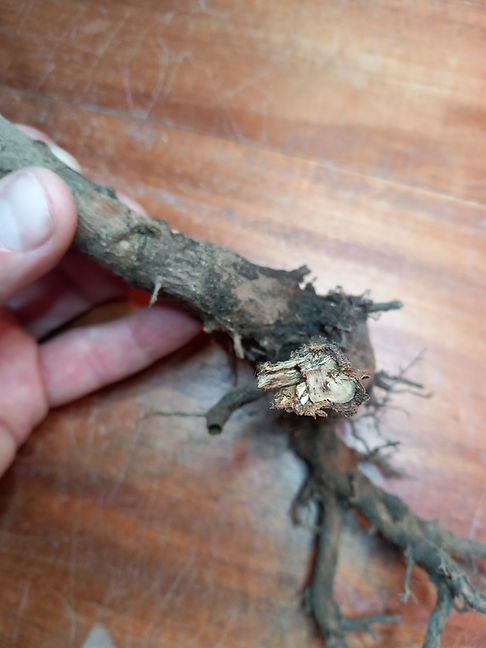
Contemporary charcoals and roots
The anatomical structure of wood is preserved during combustion, making it possible to identify it at the family and genus level. The areas of application are numerous: identifying structural wood damaged by fire, verifying the wood species used for charcoal production, etc.
It is also possible to identify a woody species from a root. This will allow us to confirm the origin of problems caused by trees planted too close to a building, for example.